Choose to Be Ready to Give an Answer

A Year of Choices…

By Barbara Dahlgren from Barbara’s Banter at www.barbdahlgren.com


1 Peter 3.15The Bible says to always be ready to give an answer to those who ask for the hope that is within us.  (1 Peter 3:15)  That scripture use to scare me a bit.  Preachers have used this verse to encourage Bible study so we as Christians can answer questions about the Bible.

To be honest, I’m all for Bible study but I feel ill equipped to answer tons of Bible questions.  I don’t always have good memory retention.  Plus I’m not good with numbers so I continually transpose scripture references.  I’m so thankful for Internet searches and iPhones that give me easy access to this kind of information.

There’s nothing wrong with being skilled in apologetics.  We should know why we believe what we believe and may at some time be called upon to explain it.  However, I don’t think “always being ready to give an answer” means we need to know the year the Tower of Babel was built, who Meshezabeel was, or how many cubits there were in Noah’s ark.

Here’s a little bit different way to look at this passage…

If we read the few verses before and after, we see this section is speaking of trials, false accusations, and suffering.  I like what the New Living Translation says for 1 Peter 3:14-15:  “But even if you suffer for doing what is right, God will reward you for it.  So don’t worry or be afraid of threats.  Instead, you must worship Christ as Lord of your life.  And if someone asks about your hope as a believer, always be ready to explain it.”

When Christians go through trials they have something most people don’t have.  They have hope.  Christian hope has a positive, encouraging energy that others can’t quite understand.  This hope is attractive to a hurting world.  This hope gives a peace that passes understanding even in the worst situations. (Philippians 4:7)  It’s natural that others would be curious about where that comes from and ask questions.

So what might people ask?  Maybe they would notice we aren’t reacting the way they think we should and ask, “How can you remain calm in all this turmoil?”  This opens the door for us to possibly tell them that our relationship with Jesus helps us.  If they want to ask us more about that, they will.  We won’t need to force it or give them a crash course in salvation.

Someone might ask, “Where is your God while you are going through this?”  We can quickly think about Shadrach, Meshach, and Abednego being thrown into the fiery furnace.  They knew God could deliver them but said, “We know our God is able to deliver us from this situation, but even if he chooses not to, we will still trust him.”  (Daniel 3:17)

With that example in mind we could tell them we know we have assured promises that come through our relationship with God and what we experience on earth is only temporary.  Trials can’t be compared to what lies ahead or who lives in us.  (Romans 8:18)   Jesus lives in us!

Consider this…When this passage says be ready to give an answer, perhaps the answer we need to be ready to give is Jesus.  Jesus is the answer!  He’s the answer for everything!

Jesus Is the Answer

Suggestions for practicing this choice…

  • There’s a difference in sharing the gospel and cramming it down another’s throat.  Don’t force your Christian beliefs on others.  Wait for them to ask questions so you can have a natural conversation.
  • Say a little prayer before you answer questions.  Ask God to put His words in your mouth.
  • Give simple answers with a meek and humble spirit.  Give just enough info to answer the question.  No need to dump the whole load on them.  Leave them wanting more, not gasping for breath.
  • The scripture says to “always” be ready to give an answer; it doesn’t say to always give it.  Sometimes people are not really receptive so learn to read the situation before you speak up.  It’s not that we need to be cautious about sharing Jesus with others, but we do need to be wise.
  • Ask yourself, “If someone were to ask me about Jesus, what would I say?”  Think about that!  Then you will be ready to always give an answer for the hope that lies within you!
Posted in Uncategorized | Leave a comment

Choose to Have Hope

A Year of Choices…

By Barbara Dahlgren from Barbara’s Banter at www.barbdahlgren.com

Romans 15.13


There are times in life when our circumstances seem so daunting it feels hopeless.  Yet as Christians we never need to feel as if there is no hope because our God is a God of hope.

Paul prayed for the early church to be filled with hope:  “Now may the God of hope fill you with all joy and peace as you trust in Him, that you may overflow with hope by the power of the Holy Spirit.” (Romans 15:13)  Hope is even one of the big three Christian principles mentioned in 1 Corinthians 13:13:  faith, hope, and charity.   So hope must be pretty important.

When the world thinks of hope it is usually wishful thinking.  People hope they have a good day or hope to win the lottery.  But hope from a spiritual perspective is not wishful thinking.

The Old Testament word for hope is “yachal” and means to wait or be patient.  The Greek word for hope in the New Testament is a little different.  It is “elpis” which means favorable and confident expectation.  We aren’t just waiting, we are confident our wait will reap positive results.

Why is hope important?  Believe it or not, hope is as necessary to the human spirit as oxygen is to the physical body.  When people lose hope they are overcome with despair and lack of purpose.  Without hope we lose all desire to go on.  Our problems overwhelm us.  Not having hope can literally destroy our lives.

There is a lot of pain, tragedy, trauma, and suffering in this world which can lead to feelings of hopelessness – if we don’t have God in our lives. (Ephesians 2:12)  Those without God don’t understand that the problems of this world are temporary.  Even death is a temporary condition. (1 Thessalonians 4:13)

Where does this kind of hope come from?  As Christians, our hope comes from Christ living in us. (Colossians 1:27)  Christ is our hope. (1 Timothy 1:1)  So our hope is connected with our relationship with God.

Consider this… When Jesus died and was resurrected we were “begotten to a living hope.”  (1 Peter 1:3-5)  We have an inheritance that will not fade away.  Our hope is blessed assurance that everything God has told us is true.  We know salvation is a done deal. We don’t have to wonder about it.  We don’t have to doubt it.  We can be confident about that!  Everything God promised us is true and God cannot lie. (Titus 1:2)

Hebrews 6.18-19

The Bible says that hope is strong and trustworthy anchor for our soul. (Hebrews 6:18-19) What does an anchor do?  When the boat drifts a little this way or that way the anchor tugs it back, and keeps it centered, keeps it steady.  We needed to be anchored to our living, loving God so we don’t drift away.

Much is said in the Bible about Christian trials and suffering.  And although it’s not something we like to think about, trials and suffering happen to all of us at one time or another.  Hope helps us make it through the hard times because hope is not just wishful thinking that everything will turn out all right.   Hope is patiently waiting on God with confidence and expectation for His will to be done.


Suggestions for practicing this choice:

  • If your hope is in Christ then you should strive to build a relationship with Him.  If your hope is in the world, then good luck!
  • Have some quiet time with God every day.  Minutes of quiet time with God produce hours of hope in Him.
  • Limit your time with negative influences whether that’s family, friends, or even watching the news.
  • Every day do a small act of kindness for someone else.  Focus outward, not inward.  And don’t forget to focus upward to God – thanking him endlessly for each blessing.
  • If you screw up then cut yourself some slack.  I’m not saying we don’t accept the consequences of our actions.  I’m saying to learn from your mistakes and move on.  Each new day is a gift from God.

Posted in Uncategorized | Leave a comment

Choose to Grow in Grace and Knowledge

A Year of Choices…

By Barbara Dahlgren from Barbara’s Banter at www.barbdahlgren.com

Grow in Grace and KnowledgeAs Peter neared the end of his ministry he left the churches with an exhortation to be steadfast and to “…grow in the grace and knowledge of our Lord and Savior Jesus Christ…”  (2 Peter 3:17-18)  These are his last written words to the churches, so they must be pretty important.

Growing in grace and knowledge means to become spiritually mature.   God never intended us to remain babes in Christ forever.  He expected us to grow up. (Hebrew 5:13-15)

Babies are cute when they are little.  However, twenty or thirty or forty-year-old BIG babies are not.  Fifty-year olds who have not learned how to share, play nicely with others, or control their emotions are definitely not fun to be around.  Long time Christians who are still selfish, undiscerning, and belligerent are not fun to be around either. (Hebrew 5:13-15)  Instead of mirroring how young Christians should live, some need a refresher course in the first principles of following Christ.

Walk the Walk

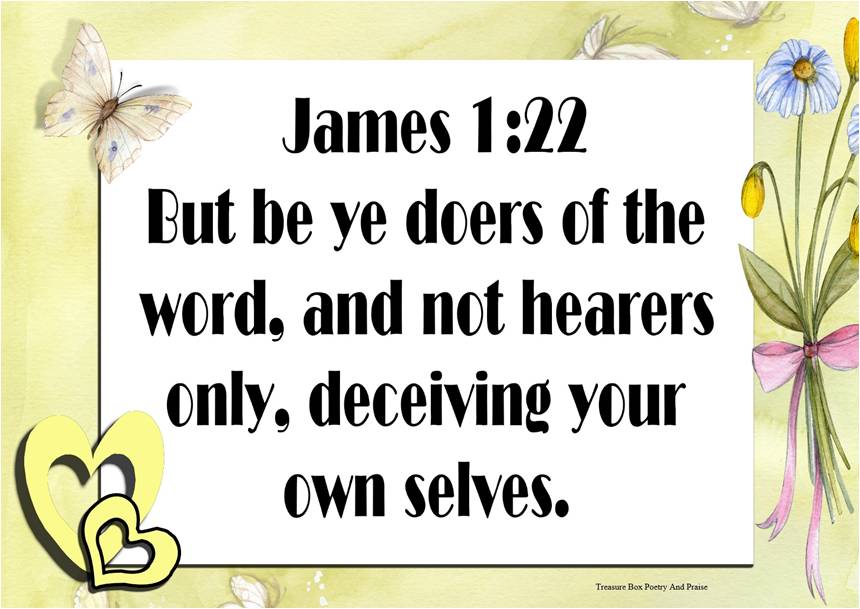
Maturity is reflected in our thoughts, words, actions, reactions, attitudes and so on.  So Christians wanting spiritual maturity need to “walk the walk, not just talk the talk.”  It can be summed up in James 1:22:  “Be ye doers of the word, not hearers only.”

When James wrote this book it was to the Christians living outside of Palestine – to those scattered abroad. (James 1:1)  Nero’s persecution had caused many believers to scatter throughout Asia Minor.  Believers became lethargic.  Their focus shifted from Jesus to succumbing to temptations. (James 1:13-15)  They were not practicing what they had learned.  Therefore, their spiritual growth had halted.

While it is true most of us aren’t scattered abroad, we do have lots of time wasting temptations of this world to draw us away from Christ.  Just having a cell phone, TV and Internet access can make us spiritually lethargic.  Spending time with Christ no longer seems to be a priority.  Has our spiritual growth slowed or possibly halted altogether?

Spiritual growth means applying God’s truth in every area of our lives.  It means continually seeking God and wanting to know more and more and more about him.   It means never reaching the point where we think we know it all.  It means never becoming complacent.  It means fixing our eyes upon Jesus and wanting to become more and more like him – which is difficult to do if we aren’t spending time with him.

Consider this… If we aren’t growing in grace and knowledge we are remaining spiritually stagnant.  God doesn’t want us to be stagnant; he wants us to grow.  When Paul prayed for the church at Philippi he asked for their love to overflow more and more, and that they would continue to grow.” (Philippians 1:9)  Our spiritual growth should never end.

Spiritual Growth

When we aren’t growing in grace and knowledge, we are not becoming all that God wants us to be.  Asking God to rekindle our desire to be more spiritually minded will not only bring us blessings, but it will bring blessings to those around us.

Suggestions for practicing this choice…

  • Think about how much we all love our children and how pleased we are when they actually learn a life lesson.  It doesn’t make us love them anymore, but we are happy because they will have an easier life as they master certain self disciplines.  Well, we are God’s children and He loves us unconditionally.  But think of how happy He is each time we become a little more spiritually mature.  It doesn’t make Him love us more, but He’s glad because our lives will be easier and definitely more blessed.
  • Here are some keys to growing spiritually:  prayer, Bible study, and meditation on God’s word.  Try to incorporate those into your daily routine.
  • Ask God to rekindle your desire to be more spiritually minded.
  • When you encounter someone you think is a BIG baby (and you see them all the time), let it remind you to become more spiritually mature.
  • We all have those days when we are out of sorts.  When you know you are ill tempered or over reacting say this to yourself:  GROW UP YOU BIG BABY! You’ll be surprised how quickly your attitude can change.  It’s even more fun to say it someone else, but I think that defeats our purpose!

Oh Grow Up

Posted in Uncategorized | Leave a comment

Choose to Live by Grace

A Year of Choices…

By Barbara Dahlgren from Barbara’s Banter at www.barbdahlgren.com

Live by GraceWe can’t come to Christ apart from God’s grace, because we can’t save ourselves.  If we could, we would not need a Savior.  The gospel of Christ is all about grace.

Here’s the deal:  We are saved by grace. (Ephesians 2:5-7)  This grace is a gift from God. (Ephesians 2:8)  Forgiveness, redemption, and salvation come from this grace. (Ephesians 1:7)  Jesus is full of grace and has given his grace to us.  (John 1:14-16)  While we were sinners Christ extended this gift to us by dying for our sins. (Romans 5:6-8)  Therefore, it is definitely something we did not earn or deserve.

God loves us!  In fact, there is nothing we can do to make him love us more and there is nothing we can do that would make him love us less.  God’s grace is with us on our good days and on our bad days.  One would think this concept would be liberating, but for centuries it has seemed to confuse Christians.

Most early Christians came out of a Jewish background, strongly rooted in works and traditions.  They were familiar with the Law of Moses, but grace posed a problem.  They were used to trying to earn a place in God’s kingdom by offering sacrifices, eating certain foods, and keeping certain rituals.  And they were intent on having Gentile converts adhere to these Jewish traditions, too.

Paul warned the early church against abandoning grace for legalistic doctrines. (Galatians 1:5)  Paul encouraged living by grace rather than by works.  He exhorted all believers to seek to know Christ through a personal relationship with him.

Legalism has a certain appeal because we get all the credit.  We keep the law.  We do it.  With grace God gets all the credit.  He forgives; He pardons; He extends His hand to us; He gives us salvation.  We don’t earn it; He freely gives it.

Our relationship with God should be based on love not works.  Even the Old Covenant Ten Commandments weren’t based on love.  We can honor our parents without loving them.  Not coveting our neighbor’s stuff is not the same as loving our neighbor.  Not having graven images or other gods before God is not the same as loving Him.  The New Covenant is about loving God and our neighbors.

The same law versus grace struggle exists today.  People are still trying to earn their way into heaven.  They strive to stay close to God by performing certain religious deeds or rituals.  Such practices are not necessarily wrong, but even David understood that God didn’t want sacrifices and offerings as much as a heart for Him. (Psalms 51:15-17)

Humans have a tendency to go to extremes.  In the matter of grace they either want to have a list of dos and don’ts – still trying to earn salvation – or they think since salvation is guaranteed through grace, what they do doesn’t matter.

God's grace is not a reason to sin...

Does the fact that God has extended us grace and forgiven our sins mean he no longer cares about what we do?  No it doesn’t!  Romans 6:1-2 makes that abundantly clear.  God did not call us to live an unholy life. (1 Thessalonians 4:7)  So living in grace doesn’t mean we just do what we want.  This grace should bring forth good fruit in our lives through the relationship we build with God. (Colossians 1:5-6)

However, God does not want to guilt us into a relationship with Him.  He doesn’t want us to worship, pray, study, and meditate because we feel guilty.  He wants us to do it because we love him and appreciate His gift of grace.

Consider this… God’s grace is always with us.  Romans 5:1-2 tells us we stand in God’s grace.  In other words, it is with us in our daily walk with him.  Living by grace means to be totally dependent on God.  God’s grace is our sufficiency. (2 Corinthians 3:5-6)

The law could not save us (works), so Jesus did what the law could not do.  (Romans 8:1-6)

We can’t afford to let legalistic practices become our life.  Jesus must be our life… and our breath.  Grace is not something we do.  It is something only God can do for us.


Suggestions for practicing this choice…

  • Ask God to teach you more about his grace which is at work in your life.
  • Ask God to help you love him more and more.  Let loving God be the motive for everything you do.
  • Because God has extended grace to you, be willing to extend grace to others.
  • When you screw up remind yourself that God loves you.
  • Remember that God’s grace is your sufficiency.  Lean on God and trust in him.

My grace is sufficient for you...2 Cor. 12.9


Posted in Uncategorized | Leave a comment

Choose to Feel Accepted

A Year of Choices…

By Barbara Dahlgren from Barbara’s Banter at www.barbdahlgren.com

AcceptedWe live in a world of rejection.  All of us have experienced it in one way or another.  Maybe as a shy boy you were turned down for a date.  Maybe you applied but didn’t get the scholarship for college.  Maybe you interviewed but didn’t get the job.  Maybe you got the job but the company president laughed at your re-org idea.  Maybe your dad walked out on your family.  Maybe your mom constantly berated you.  Maybe you were always the last one chosen for the team.  Even worse, maybe they wouldn’t even let you play on the team.  We can go through life pretty much feeling like losers.

Rejection is nothing new.  Jesus was rejected – by those in his hometown (Matthew 13:54-58), by many of his disciples (John 6:66), and by those he came to save (Isaiah 53:3).  God was rejected.  After everything God had done for the Israelites they wanted to be ruled by a king instead of Him (1 Samuel 10:19).

Enough rejection can lead to disorders like unwarranted fear, feelings of inferiority, anxiety or depression.  Rejection can make us feel unwanted, unappreciated, and unloved.  It can even lead to perceived rejection in other areas of our lives.  In other words, we think people are rejecting us when they aren’t.  This perception becomes our reality – if we think we’re losers, we act like losers.

Consider this… God created us for acceptance not rejection.  That’s why He will never reject us.  We might reject God, but He won’t reject us.

God accepts us. (Acts 10:34, 35)  Jesus loves us so much He died for us before we even acknowledged Him. (Romans 5:8)  He came not to condemn us but to save us.  (John 3:17)  He will never leave or forsake us. (Hebrews 13:5)  All we have to do is embrace God and he embraces us.

You Are Chosen

We cannot afford to base our self worth on the opinions of others, our perceived ideas of what we think others feel about us, or even our misconceptions about ourselves.  How God sees us is more important than how others see us or even how we might see ourselves.  Our self worth should be based on how God sees us.  And God thinks we’re pretty special!!!!

Suggestions for practicing this choice…

  • Don’t assume others are slighting or rejecting you.  Most people are too preoccupied with themselves to even give us a second thought.  We are not the center of the universe.
  • Don’t assume you know what others think about you.  We don’t really know what others think.  Half the time most of us don’t even know what we think.
  • Since most of us want to be accepted, we should strive to be more accepting of others.
  • Sometimes we want to lose weight or get cosmetic surgery so others will more readily accept us.  However, psychologists tell us that even the most beautiful people in the world feel ugly, insecure, and unacceptable.  Studies show that if we accept ourselves, others are more likely to accept us.  So work on having a positive self image.
  • Focus on what God thinks about you.  He thinks you are pretty special.  He made you in His image, redeemed you, loves you, and accepts you unconditionally.

You Are...


Posted in Uncategorized | Leave a comment

Choose to Make Prayer a Priority

A Year of Choices…

By Barbara Dahlgren from Barbara’s Banter at www.barbdahlgren.com

 Make Prayer Your Priority

Martin Luther said, “To be a Christian without prayer is no more possible that to be alive without breathing.”  Yet that’s what many try to do.  They call themselves Christians but they do not pray.

The Bible is full of exhortations to pray and examples of God’s followers praying.  The book of Psalms shows us that David, a man after God’s own heart, prayed often. He prayed when he was happy, when he was sad, when he was discouraged, when he had doubts, when he was thankful, when he woke up, when he went to bed, and all throughout the day.  No wonder Paul told us to pray without ceasing. (1 Thessalonians 5:17)

Jesus spent a great deal of time in prayer. (Matthew 14:23, Mark 6:46, Luke 6:12, Luke 9:28, etc.)  If Jesus who was the Son of God felt a need to pray, how much more should we feel that need?   We would be wise to follow his example.  (1 Peter 2:21)

Prayer is not something we do when a bolt of inspiration hits us or when we feel like it.  Prayer should be a priority and something we do whether we feel like it or not.  God created us to be in a relationship with Him.  Prayer is the conduit to building that relationship.  We can’t build a relationship with someone we don’t spend time with.

Here are some excuses (not reasons) why people don’t pray…

They don’t think they have time.  Of course, we know this isn’t true.  They just don’t want to take the time.  Studies show people spend hours and hours a day watching TV, surfing the Internet, looking at Face Book, emailing, texting, twittering, and so on.  So time is not really the issue.  Priority is the issue.

They don’t think it’s necessary.  Jesus thought it was necessary.  If it was a priority for Jesus, it should be a priority for us.

They don’t think it makes a difference.  It does.  Time Magazine has published several articles in the past 10 years explaining the healing power of prayer.  They may not fully understand it, but they admit it exists.

They don’t know what to say.  Prayer is merely conversation with God.  Sometimes it’s asking for help but most times it’s talking to God about everything that’s happening in our lives and the lives of those we are close to like friends, relatives, and co-workers.  It’s thanking God for each and every blessing.  It’s acknowledging His greatness.

Consider this… Prayer is not some magic bullet aimed at God’s heart to coerce Him into giving us what we want.  Those who approach prayer this way will always be disappointed.  Prayer is to help us align our will to God’s, not the other way around.  God knows what’s best; we don’t.

Don't forget to pray today!

We need to make prayer a priority.  In other words, we need to be praying every day.  If we don’t, we won’t have much of a relationship with God.

Suggestions for practicing this choice… 

  • If we have trouble praying we can read some of the Psalms out loud.  They are filled with adoration and praise to God.  There is no better way to get started with a healthy prayer life than acknowledging God’s greatness!
  • Don’t complicate the prayer process.  Prayer is not contingent on saying the “right” words, at certain times of day, at specific places, and in the perfect position.  These are peripheral issues and matters of personal preference.  Just talk to God every day!
  • There is nothing wrong with setting aside certain times to pray or having a bit of a ritual.  However, guard against making prayer more about a ritual than a heart to heart connection with God.  That’s what happened to the Pharisees.  Remember that God is looking for that personal connection with us.
  • We can pray anywhere about anything.  However, there were times when Jesus got away from everything to have some private one on one time with God.  (Mark 35:37-39; Mark 6:45-46; Luke 5:15-16)  Jesus had crowds of people following Him all the time – wanting Him to do things for them.  He literally had to make time to pray, which is exactly what He did.  We need to make time to pray!
  • Pray, pray, pray every day!  Pray planned prayers (Daniel 6:10, 13; Psalm 119:164) or continual prayers (1 Thessalonians 5:17).  Sit, stand, or kneel.  Keep your eyes open or closed.  Raise your hands, clasp them together, or keep them at your side.  It’s all good. Start your day with a little prayer and end your day with a little prayer and pray throughout the day.  Just pray, pray, pray every day!  Always pray and don’t give up! (Luke 18:1)

Luke 18.1 - Always pray and don't give up


Posted in Uncategorized | Leave a comment

Choose to Come Back

A Year of Choices…

By Barbara Dahlgren from Barbara’s Banter at www.barbdahlgren.com
 

Robert Robinson was a bit wild in his youth.  However in his early twenties he settled down.  He became an adamant follower of Jesus and a dedicated Methodist preacher.  It was at that time in 1757 that he wrote the words to the beloved hymn Come Thou Fount of Every Blessing which starts…

Come Thou Fount - first verse

The last stanza says…

Prone to wander Lord I feel it. Prone to leave the God I love. Here’s my heart Lord take and seal it, seal it for Thy courts above.

Come Thou Fount - last verse

That last part turned out to be a bit prophetic for Robertson.  Legends say that in his older years  he was on a stagecoach sitting next to a woman who sang the hymn and asked Robertson if he had ever heard it.  He said, “Madam, I am the poor unhappy man who wrote that hymn many years ago, and I would give a thousand words, if I had them, to enjoy the feelings I had then.”

To which the lady replied, “The streams of mercy are still flowing.”

No one truly knows if these stories that circulate are totally accurate.  Especially, since they are passed down from one generation to another.  However, we know he was a wild youth.  We know he came to Christ.  We know he was a preacher.  We know he wrote the song.  We know he wandered. And we know that the “streams of mercy” were still flowing for him and they are still flowing for us!

Some of us are prone to wander from Christ.  And some of us don’t actually wander away from Christ but we are prone to wander from that love we had when we first came to Christ.  That’s what happened to the church at Ephesus.   Although they had many fine qualities, God said, “Nevertheless I have somewhat against thee, because thou hast left thy first love.”  (Revelation2:1-7; v. 4)

This “first love” is Jesus Christ.  We can be dedicated to service and sacrifice; we can be patient, good, and kind; we can even persevere – but if we don’t love Christ, we miss the mark.  The things we do outwardly must be motivated by our intimate relationship with Christ.

We know that God does not pull away from us, but sometimes we pull away from God.  If that is true, then we need to come back.  We need to come back to Christ.  We need to renew our relationship with Him.  We need to rekindle our first love.

Consider this…  Distancing ourselves from God does not happen overnight.  It happens gradually.  Being prone to wander from God is a temptation we need to resist just like any other.  However, we can’t wander so far that Christ won’t lovingly welcome us back with open arms.  That’s what the message of the Prodigal Son is all about! (Luke 15:11-24)

Matthew 11.28

Wandering can make us weary.  God tells us to come to Him when we are weary and He will give us rest. (Matthew 11:28)  So if we have wandered we can do what the prodigal son did.  Come back!  We can come back to our Father’s house and enjoy the blessings he has waiting for us.


Suggestions for practicing this choice…

  • Come to your senses.  That’s what the prodigal son did.  He woke up in a pig pen and said, “What am I doing here?”  Some of us may not be in the pig pen yet but we might be on our way.
  • Admit you made some bad choices.  That’s what the prodigal son did.  He admitted he blew it.  He said, “I have sinned.”  In other words, “I have made some really bad choices.”
  • Swallow your pride.  That’s what the prodigal son did.  Even though it would be a bit embarrassing to return home, he decided to do it anyway.
  • Repent.  Repentance really means to change.  That’s what the prodigal son did.  When he left he had a “give me” attitude, thinking he was entitled.  When he returned he was willing to be a servant in his father’s house because he knew it would be better than the life he was leading.
  • Come back!  That’s what the prodigal son did.  He didn’t know what would be waiting for him.  His father could have been angry with him.  His father could have rejected him.  However, his father lovingly welcomed him back.  That’s what your heavenly Father will do for you.


You can hear Come Thou Fount of Every Blessing here:  https://www.youtube.com/watch?v=EYrTqBioaZ4  


Posted in Uncategorized | Leave a comment

Choose How to Handle Trials Before They Happen

A Year of Choices…

By Barbara Dahlgren from Barbara’s Banter at www.barbdahlgren.com


Oswald Chambers once wrote, “The typical view of the Christian life is that it means being delivered from all adversity.  But it actually means being delivered in adversity, which is something quite different…”

God never promised the Christian life would be free of hardships, temptations, sorrow, or suffering.  In fact 1 Peter 4:12 tells us to expect such things. Yet we are always surprised when they happen.

1 Peter 4.12

Many think if our faith is strong enough, bad things won’t happen to us. That’s simply not true.  And shame on those who go to suffering people and add to their misery by telling them if they had enough faith they wouldn’t be going through some horrendous trial.  Those who promote such ideas have not spent much time reading the Bible.   Job suffered.  Paul suffered.  Stephen suffered.  The twelve apostles suffered.  Jesus, the most innocent man of all, suffered.

Some faithful Christians will get diseases and die no matter how many sincere prayers are said for healing.  Some will be gunned down by random acts of violence, no matter how pure their lives have been.  Some husbands will leave beautiful wives no matter how faithful and loving those wives have been.  Dedicated Christians will face loneliness, death, anxiety, suffering, temptation, fear, exhaustion, conflict, poverty, and uncertainty just like everyone else.

Consider this… Perhaps God tells us to expect trials so we can determine ahead of time how to react when they come.

Shadrach, Meshach and Abednego had predetermined that even if God decided not to deliver them from the fiery furnace they would still believe and follow God.  (Daniel 3:16-20)

Habakkuk had predetermined he would rejoice in God no matter what happened.  “Though the fig tree does not blossom, and there are no grapes on the vines, though the olive crop fails and the fields produce no food, though there are no sheep in the pen and no cattle in the stalls, yet I will rejoice in the Lord. I will be joyful in God my Savior.”   (Habakkuk 3:17-19)

Habakkuk was not going to rejoice because of trials, but he could rejoice in spite of trials because he knew God loved him, was at work in his life, and would be with him no matter what came his way.  He would never have to go through a trial alone, feeling like there was no purpose to his suffering.

David said, “I will bless the Lord all times…” (Psalms 34:1)  This means even during trials.

philippians-4-13

We can learn a lot through trials.  Paul found that out and concluded he could do quite a lot through God’s strength, not his own (Philippians 4:11-13), because God can use trials to build our faith.  If we focus on Jesus instead of our trials we grow spiritually and develop trust, perseverance, hope, patience, and peace.  These qualities rarely manifest themselves when all is going well.

We can choose how we are going to handle our trials before they come.  Peter tells us to stay prepared for action and determined to focus on Jesus. (1 Peter 1:13)   The closer we are to God before the trials come, the easier it will be to look beyond our circumstance to Jesus.  Trials can make us bitter or better.  We make the choice!  Daily building a relationship with God makes this choice easier.

Suggestions for practicing this choice…

  • Make prayer a daily habit.  Whether long or short, pray throughout the day.  Stay in communion with God.
  • Make Bible study a daily habit.  Whether it’s an in depth study, or just reading a verse or two, get your nose in the Bible every day.
  • Make mediation a daily habit.  Why not choose a daily scripture and focus on how it impacts your life throughout a day?
  • Praise God daily.  When you see a sunset, praise God.  When you hear a child laugh, praise God.  When you hear a bird sing, praise God.
  • Thank God daily for all your many blessings – big and small.  Are you alive?  Thank God!  He wants you to live another day!  And if He doesn’t, that’s okay too.  Paul said, “To live is Christ, to die is gain.” In other words – if we live – thank God because we live. If we die – thank God because we go to be with Him.  (Philippians 1:21)

Today's Trial

Posted in Uncategorized | Leave a comment

Choose to Begin Anew

A Year of Choices…

By Barbara Dahlgren from Barbara’s Banter at www.barbdahlgren.com

Begin Anew

Every day is a new beginning.  In other words, today is the first day of the rest of your life, don’t screw it up.  Each day is a new day to practice making wise choices.

Many wait until a new year comes to make resolutions.  But it’s actually day to day living that eventually helps us live better lives year to year.  However, day to day living cannot fully rely on our resolve because our resolve just isn’t good enough.  God in his infinite wisdom knows we need extra help living our daily lives and fortunately He provides it.

Sometimes life is so burdensome that it’s hard not to get discouraged.  But God tells us not to lose heart.  Things may not appear to be going so well, but “…inwardly we are being renewed day by day.” (2 Corinthians 4:16)  Re-new means to make new again.

Each day is a new day.  Each day is an opportunity to renew our resolve.  When we fall, we get up and face a new day.  Each day we take up our cross and follow Jesus. (Luke 9:23)  God gives us what we need to make it through each day…our daily bread. (Matthew 6:11; Luke 11:3)                 Paul said he died daily. (1 Corinthians 15:31)  He recommitted to the sacrifice Jesus made for Him daily.  God’s mercies are new every morning. (Lamentations 3:23)

Consider this… Each day we put off our old self and put on our new self. (Ephesians 4:22-24)  And we keep putting it on day after day after day after day.  It’s not a one-time deal.

Put on New Man

Suggestions for practicing this choice…

  • We may come as we are to Christ, but we aren’t expected to stay that way.  Each day is an opportunity to start over and make changes.  Each day this week pick out one thing you would like to change in your life and work on it all day long.  Perhaps it’s being honest, patient, polite, on time, positive, etc.  Perhaps it’s controlling your temper, your tongue, your attitude, etc…
  • When you get up say, “Hello, Lord!  Help me be the person you would have me be today!”
  • Don’t dwell in the past.  Holding on to past failures distorts who you are now in Christ – a new person!  God says not to remember the former things for He will do something new in you. (Isaiah 43:18-19)  You can’t change the past but you can change your future starting today.
  • Forgive yourself.  God has forgiven you. (Psalm 103:12)  I often think of Peter who denied Christ three times.  The guilt he felt must have been enormous.  Yet when Jesus revealed Himself to his disciples after his resurrection he specifically restored fellowship with Peter and let him know He had confidence in him by telling Peter to “feed my sheep.” (John 21:15-17)  God has confidence in you!
  • Repeat this at the beginning of each new day:  “Today is the first day of the rest of my life!”  Then don’t screw it up.  If you do, then repeat it again the next day.  Nobody said that life would be easy.


Posted in Uncategorized | Leave a comment

Choose to Be Teachable

A Year of Choices…

By Barbara Dahlgren from Barbara’s Banter at www.barbdahlgren.com


Be Teachable

Proverbs has a lot to say about fools and none of it is good.  Here is just a sample…

  • Proverbs 1:7 – Fools despise wisdom and instruction.
  • Proverbs 23:9 – Fools despise wisdom.
  • Proverbs 16:22 – Fools do not listen to instruction.
  • Proverbs 12:23 – Fools don’t know how to keep their mouths shut.
  • Proverbs 13:16 – Fools don’t know how to keep their mouths shut.
  • Proverbs 14:33 – Fools don’t know how to keep their mouths shut.
  • Proverbs 29:11 – Fools don’t know how to keep their mouths shut.
  • Proverbs 18:2 – Fools love to give their opinions to others even when they don’t know what they are talking about.
  • Proverbs 18:13 – Fools think they know everything.
  • Proverbs 28:26 – Fools think they know everything.
  • Proverbs 12:15 – Fools don’t listen to advice.

A Fool

And the list goes on and on.  I think we can see the pattern.  Fools are those who won’t listen to instruction, shoot their mouths off, and think they know everything.  Do you know anyone like that????

These “fools” are not uneducated, stupid or dumb.  Actually most have just enough knowledge to make them wise in their own eyes.  However, these “know-it-alls” are not teachable.  They do not want to be confused with the facts.  They do not want to listen to the voice of reason.  They will gladly give us their opinions but do not value ours.  They are a pain to be around!

I don’t think anyone wants to be considered a fool.  Therefore, we want to be teachable.  We want to be open to God’s instruction and wisdom. (Proverbs 3:5-7)

God is very big on us being teachable.  We have a lot to learn and are blessed when we let God instruct us. (Psalm 94:12)  God instructs us through scripture. (2 Timothy 3:16)  He has also given the church pastors and teachers with certain gifts used for “perfecting of the saints.” (Ephesians 4:11-13)  This “perfecting of the saints” is just a way of saying as we learn God’s ways we grow in grace, godly knowledge, and spiritual maturity. This equips us to minister or help others.  “Know-it-alls” have a hard time ministering to others because no one wants to be around them.  They have no credibility with others because no one wants to listen to what they have to say.

We have probably encountered highly intelligent “know-it-alls” who think there is no God.  God calls them foolish. (Psalm 14:1)  However I think church going “know-it-alls” who do believe in God are the worst.  They come to church out of obligation, but sermons really don’t apply to them because they know it all. They are more interested in biblical genealogies, archeological findings, and prophesy rather than learning how to enhance a daily walk with God.  Since they know it all, they love to solve everyone’s problem.  They talk a lot to share their insights with others and rarely listen.  They are critical not constructive.  They are impatient.  They cannot relate to the struggles of others.  After all, they are more interested in hermeneutics, exegesis, and “unpacking” the latest biblical theory.  They love feeling superior to others.  However, the main point of scriptural knowledge is to point us to Jesus Christ, not to make us feel superior to others. (John 5:39, 40)

Consider this… Those who think they know anything do not know what they need to know. (1 Corinthians 8:2)  In other words we need to be teachable.

1 Corinthians 8.2

There is danger in being wise in our own eyes. (Isaiah 5:21; Proverbs 3:7)  We can’t afford to have a pumped up opinion of ourselves.  God wants us to walk humbly.  God wants us to be teachable.

Suggestions for practicing this choice…

  • Talk less; listen more.
  • Resist the temptation to always be right or prove your point.  Life is not a debate.
  • Don’t be afraid to ask for directions.
  • Being teachable does not mean being gullible.  It doesn’t mean you accept every new idea that comes along or every bit of advice offered.  Being teachable means learning how to evaluate and check what is being taught with what the Bible says.
  • Study God’s Word and look for ways to apply it to your life, not to the lives of others.


Posted in Uncategorized | Leave a comment