True Love

The Abundant Life: Riches money can’t buy…
The abundant life knows what true love is.

Our society equates love with an emotional roller coaster ride or a feeling that we can’t live without a certain person. Love is not always about two people falling helplessly and hopelessly into an uncontrollable rage of passion. Just ask anyone who’s been married for any significant length of time and they will tell you love goes way beyond physical attraction. True love is something we do. In fact, it’s a bunch of stuff we do.

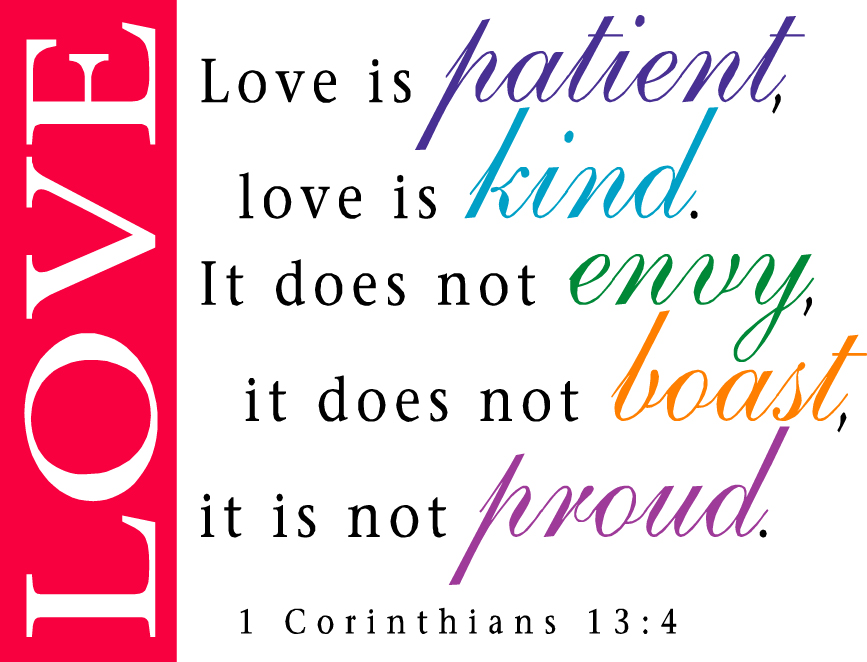
Love is a big thing to God. He refers to it throughout the Bible. 1 Corinthians 13 goes into great detail explaining what real love is all about. Here we learn some things we do or don’t do if we really want to love someone: be patient, be kind, be truthful, be hopeful, don’t envy, don’t boast, don’t be rude, don’t be prideful, don’t be self-seeking, don’t get angry, and so on.

This kind of love can be between spouses (Ephesians 5:25) but these scriptures can also be used as a gauge to loving our neighbors (Mark 12:31), loving our families (Ephesians 5:25), loving one another (John 13:34,), and even loving our enemies (Matthew 5:43).

Unfortunately, it’s not easy to love enemies, our neighbors, our families or even our spouses because they are all people—and people are so unlovable. I’m not referring to criminals and those who perform unspeakable atrocities. I’m talking about those we may be close to and have contact with every day. They can irritate and frustrate us to distraction.

Loving people doesn’t mean never getting irritated or frustrated with them. Loving people doesn’t mean always condoning what they do or agreeing with what they say. Loving people doesn’t mean we shield them from the consequences of their decisions. Loving people doesn’t mean we turn a blind eye to their faults. Rather, loving people means we deal with them in a kind, patient, respectful, honest, and humble way. (1 Corinthians 13)  

Actually, that’s how God loves us. He knows what we’ve done and loves us anyway. He separates the person from the action. He can hate the action but love the person. He never says what we’ve done is okay when it’s not. However, He always deals with us in a loving manner. And He knows what true love is all about because HE IS LOVE! (1 John 4:8)

*****

…I have come that they may have life and that they

may have it more abundantly.” ~John 10:10 (KJV)

Posted in Uncategorized | Leave a comment

Being Content

The Abundant Life: Riches money can’t buy…

The abundant life has learned to be content regardless of circumstances. Contentment can make poor people rich while discontentment can make rich people poor.

The Apostle Paul told the Philippians, “I have learned in whatever state I am to be content.” The word “learned” in this passage indicates contentment did not come naturally. It was not some instant transformation, but rather it was something he learned through his relationship with God.

Did you know Paul wrote these words while in prison, being denied every comfort? The Philippian church had sent him a financial gift and he was truly thankful, especially for their heart-felt care and concern for him. However, Paul wanted the Philippians to know that true contentment looks beyond physical comforts to the peace that comes from knowing God. (Philippians 4:10-14) That’s why he could be content regardless of his circumstances.

True contentment is not dependent on outer circumstances. Paul had learned this. Whether he was exalted or abased, had eaten his fill or gone hungry, flourished or suffered—through it all he could be content and give thanks. (Philippians 4:11-13; Ephesians 4:20)

Contentment is not based on power, money, physical beauty, or material possessions. If it were, all successful, wealthy, gorgeous people who surround themselves with everything money can buy would be happy and content. We know that’s not the case. Actor Jim Carrey once said, “I think everybody should get rich and famous and do everything they ever dreamed of so they can see that it’s not the answer.”

What is the answer? True contentment is an inner sense of peace that comes from knowing God. Additionally, contentment comes from focusing on what we have, not on what we don’t have.

In today’s world, we receive thousands of messages daily trying to persuade us to buy things we do not need with money we do not have. It’s tempting, even though God tells us that a man’s life does not consist of the abundance of things he might possess. (Luke 12:15)

Arsenius was a 4th Century Roman imperial tutor in Egypt who withdrew from Egyptian secular society to lead a prayer-oriented, austere lifestyle in the desert. He was considered one of the Desert Fathers, whose teachings greatly influenced the contemplative life. He was content to live with very little. Yet, when he visited the magnificent city of Alexandria, he wandered through its splendid bazaars. When asked why, he explained that his heart rejoiced at the sight of all the things he didn’t need.

Oh, that we could say the same thing after an afternoon at the mall!

*****

“…I have come that they may have life and that they
may have it more abundantly.” ~John 10:10 (KJV)


Posted in Uncategorized | Leave a comment

Reap What You Sow

The Abundant Life: Riches money can’t buy…

The abundant life understands the principle of reaping what it sows.

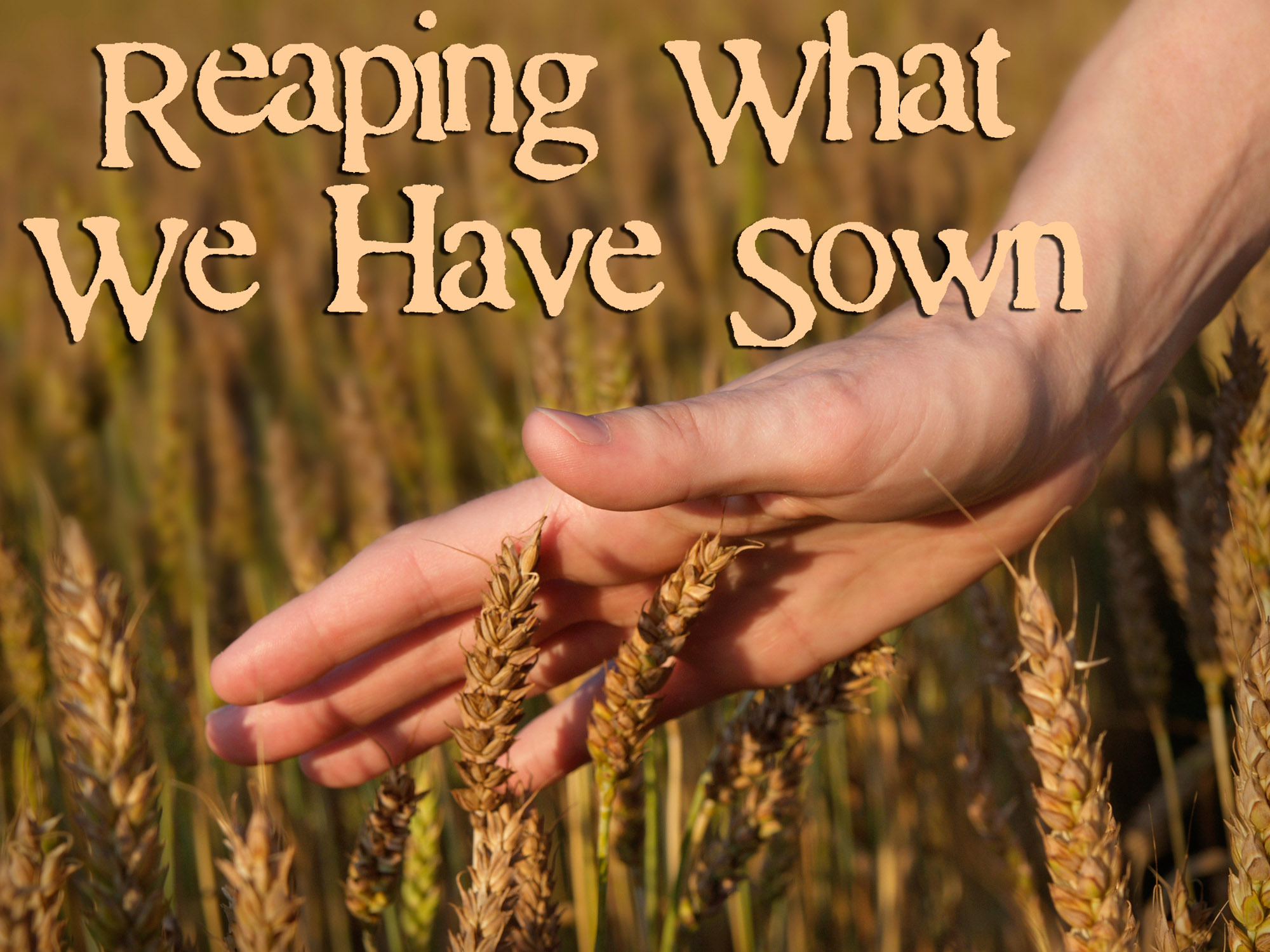
Some Christians believe that because our past sins and future sins have been forgiven they can get away with sin. It’s true when God forgives, He remembers our sins no more. (Hebrews 8:12; 10: 17) However, He doesn’t magically wipe out the consequences of our actions. There is always cause and effect. In biblical terminology, it means we reap what we sow. The abundant life understands this natural law God has put in place.  

This principle is explained in Galatians 6:7-9: “Be not deceived; God is not mocked: for whatsoever a man sows, that shall he also reap. For he that sows to his flesh shall of the flesh reap corruption; but he that sows to the Spirit shall of the Spirit reap life everlasting.”

  • In our hearts we know this. We say…
  • What goes around comes around.
  • Things come back to haunt you.
  • Your sins will find you out.
  • You play; you pay.

Some even put off developing a relationship with Christ feeling they want time to “sow their wild oats.” After all, won’t God forgive us? Yes, He will. We are forgiven for our sins, but there is an aftermath. Sin is like driving a nail through your hand. Forgiveness pulls the nail out and allows healing, but it doesn’t take away the pain or the scar that remains.

Abusing our bodies shortens our lifespan. Going against our conscience leaves the mind dull, impacting our ability to make wise decisions. Repeatedly losing self-control results in anger, envy, outbursts, cruelty, and so on. Giving into what we know is wrong time and time again reinforces bad habits that become a part of who we are. This hinders us from living the full and abundant life God desires for us.

Many think God sits in heaven looking for sinners to zap with an electrical shock. He doesn’t have to do that. Sin carries its own penalty. It’s like drinking slow poison. Eventually it all catches up with you. In the end, no one gets away with sin. Not because of a vengeful God, but because God has established a natural law. We reap what we sow!

*****

…I have come that they may have life and that they

may have it more abundantly.” ~John 10:10 (KJV)

Posted in Uncategorized | Leave a comment

Put Forth Effort

The Abundant Life: Riches money can’t buy…

The abundant life takes a little effort.

Christians know they are saved by grace, not by works. (Ephesians 2:8-9) Salvation is a free gift from God. If we could earn salvation, we wouldn’t need God to give it to us. And if we could earn it, we would definitely take all the credit. We would boast about how great we are. There are no “work-oriented” requirements we must meet to assure forgiveness. There are no check-lists of dos and don’ts that will make God love us more.

However, we are admonished to integrate Christian principles into our lives. Why? So we can gain wisdom. (Matthew 7:24) So we can be happy. (John 13:17) So we can be constantly reminded of our identity in Christ and not forget who we are. (James 1:22-23) So we can be blessed. (James 1:24) So we can live an abundant life!

Integrating Christian principles into our lives helps us live the abundant life. Of course, this takes effort on our part. Paul said that mature Christians have “trained themselves to distinguish good from evil” by constant use of what they have learned. (Hebrews 5:14 NIV) Timothy was told to train himself in godliness. (1 Timothy 4:7) In other words, we need to train ourselves to consciously and consistently use what we’ve learned. Use it or lose it. God will not automatically give us good habits or self-discipline. God will not force moral character upon us. We get these things by actively practicing the Christian principles we’ve been taught so we can be a reflection of Jesus Christ.

Paul said, “Whatever you have learned or received or heard from me, or seen in me—put into practice.” (Philippians 4:9 NIV) Practice, practice, practice… They say practice makes perfect. I’m not sure perfection is the goal. I lean more towards making progress which seems more attainable. The more we practice Christian principles, the more progress we will make and the more abundant our lives will be. 

*** 

“…I have come that they may have life and that they

may have it more abundantly.” ~John 10:10 (KJV)
Posted in Uncategorized | Leave a comment

Relationship with God

The Abundant Life: Riches money can’t buy…

The abundant life has a relationship with God.

Christ came so we might have life and have it more abundantly. (John 10:10) Some modern ministers lead us to believe this refers to wealth and prosperity. They encourage people to go boldly before God and claim this promised abundance. These “health and wealth” and/or “name it and claim it” preachers measure faith by how much God blesses us materially. 

In fact, Jesus said that a man’s life does not consist of the abundance of the things he might possess. (Luke 12:15) If we seek first the kingdom of God, we won’t have to be overly concerned about such matters. (Matthew 6:31-33) If we humble ourselves before Him, He will exalt us when the time is right. (1 Peter 5:6-7)   

Of course, an abundant life does not preclude riches or worldly success, but it does not depend on it either. Paul knew this better than anyone. He knew how to be exalted and abased. No matter how bad things got, he could be content and give thanks in all circumstances. (Philippians 4:11-13; Ephesians 5:20) In other words, we can experience the abundant life even if we are going through trials with our family, poor as church mice, or at the bottom of the work force food chain.

We’ve already learned previously that the life referred to in this passage is eternal life, everlasting life, or life without fear of death. The phrase “more abundantly” means “beyond, more, and above measure.” So not only did Jesus come to give us eternal life, but even more than that, He lives His life within us right now. His very presence in us adds something immeasurable to our existence. He is what makes our life worth living in spite of how much money we have in the bank.

If we read the whole passage of John 10, we see it’s about Jesus being our shepherd, we sheep hearing His voice, and Jesus being our open door. The whole context refers to us having access to God. And that, my friend, is what the more abundant life is all about. Not only do we get eternal life, but as an added bonus we have the opportunity to participate in a relationship with Jesus Christ. We have access to the very One who makes it all possible.

Money cannot buy us a “more abundant” life, but God can help us receive it if we let Him. The more we open our hearts to God the more abundant our lives will be. Abundance is not always about having more; sometimes it’s about having enough.

*****

“…I have come that they may have life and that they

may have it more abundantly.” ~John 10:10 (KJV

Posted in Uncategorized | Leave a comment

The Abundant Life

The Abundant Life: Riches money can’t buy…

Our theme this year is exploring what it means to have an abundant life. Jesus tells us in John 10:10 that He came so we might have life and have it more abundantly.

What is this more abundant life Jesus spoke of? Is it having robust health? Is it materialism and wealth? Is it success, power, and prestige? After all, aren’t these the things most people yearn for and naturally associate with an abundant life? Well, that might be our interpretation, but our view and God’s view could be vastly different. (Isaiah 55:9)

Many think the more abundant life refers to great prosperity. They measure faith by how much God blesses us materially. But do new cars, million dollar homes, plasma TVs, diamonds, rubies, private air planes, or bags of money really draw us closer to God? Contrary to popular opinion, God is not some big Sugar Daddy in the sky eager to give us everything we ask for.

Most know the primary focus of the Christian life should not be on getting things. It would be difficult to find scriptures that focus on Christians “getting” instead of “giving.” The Bible leans more towards contentment than wanting more, more, more. (1 Timothy 6:8-9; Philippians 4:1-3; Hebrews 13:5) In fact, Jesus said that a man’s life does not consist of the abundance of the things he might possess. (Luke 12:15)  

I’m not saying an abundant life precludes wealth, health, or worldly success, but it does not depend on it either. Paul knew this better than anyone. He knew how to be abased or exalted, have a full tummy or an empty one, and abound or suffer—and through it all, be content and give thanks. (Philippians 4:11-13; Ephesians 5:20) He knew what the abundant life was all about. 

The life referred to in John 10:10 is eternal life, everlasting life, and life without fear of death. The phrase “more abundantly” is the Greek word “perissos” meaning “beyond, more, and above measure.” It refers back to the word “life.” Not only did Jesus come to give us eternal life, but even more than that, He lives His life within us right now. His very presence in us adds something immeasurable to our existence. He is what makes our life abundant and worth living.

Man views abundance in terms of physical possessions. God has a different perspective. His abundant life is filled with love, joy, peace, patience, kindness, goodness, faith, gentleness, self-control, compassion, humility, character, wisdom, enthusiasm, dignity, optimism, confidence, honesty, and a relationship with Him. In other words, the more abundant life is full of all the things money can’t buy. The more we open our hearts to God, the more abundant our lives will be.

*****

…I have come that they may have life and that they

may have it more abundantly.” ~John 10:10 (KJV)

Posted in Uncategorized | Leave a comment

Wishing You an Abundant New Year

The Abundant Life: Riches money can’t buy…

As we enter the New Year, we busy ourselves thinking how we can make changes to better ourselves. These changes are called New Year’s resolutions. Top resolutions are usually to lose weight, quit smoking, become physically fit, get organized, reduce debt, and drink less. All are noble endeavors, but statistics show they don’t last very long.

Therefore, I’ve decided to take a different approach to my New Year’s resolutions. I’ve decided to make some resolutions I can keep such as:

  • eat more
  • exercise less
  • waste time
  • remain disorganized
  • be stressed
  • procrastinate

These really aren’t lofty goals, but doable! Of course, I jest. Well, not totally jest, but partially jest.   

Actually, making constructive resolutions is not a bad thing. It shows a desire to be a better person. The world thinks being a better person is reflected in how we look to others: thin, athletic, goal oriented, and successful. Man wants to focus on the outside; God wants us to focus on the inside—our heart. (1 Samuel 15:7) Having a heart for God (love of God) and a heart for others (love your neighbor) are resolutions God can bless. (Matthew 22:36-40) 

What changes could we make that would show more love for God and for our fellow man? Love for God might include more praise, more prayer, more drinking in of God’s word. Love for others might include being more kind, patient, peaceable, loving, or encouraging. Plus, these changes help us experience the abundant life mentioned in John 10:10.

In trying to come up with a theme for 2023, John 10:10 kept popping in my mind. In this passage, Jesus tells us that He came so we might have life and have it more abundantly. If you would like to have a more abundant life, come along with me on a weekly journey to explore exactly what that means.

Here’s wishing you an abundant New Year! You can start by resolving to do the best you can with what you have!  

*****

“…I have come that they may have life and that they

may have it more abundantly.” ~John 10:10 (KJV)

Posted in Uncategorized | Leave a comment

Merry Christmas

It Is Good to Be Thankful: Appreciation makes the world a better place…

Here’s a Christmas prayer from a card I received. I love it!

Thank You, Lord, for

Your birth,

Your life,

Your sacrifice, and

Your resurrection!

YOU are the meaning of Christmas.

And all God’s children said, “Amen!”

*****

“It is a good thing to give thanks unto the Lord...” ~ Psalms 92:1 (KJV)

Posted in Uncategorized | Leave a comment

Light of the World

It Is Good to Be Thankful: Appreciation makes the world a better place…

When I think about the birth of Christ, I think of light. A star shone bright casting a light to guide the wise men to where Christ was born. Jesus, Himself, will later tell us, “I have come into the world as a Light, so that no one who believes in me should stay in darkness.” (John 12:46)

Jesus is referred to in Scripture many times as the Light. Jesus, the Light, came to the world, but men loved darkness instead of the Light. (John 3:19-21) As Christians we should love the Light, not darkness.

The contrast of light and darkness is often metaphorically used in the Bible to contrast good with evil. There is so much evil and darkness in the world that it’s easy for us to get discouraged. Yet, most would agree that it is “better to light a candle than curse the darkness.”  Paul said something similar when he told us to “cast off the works of darkness and put on the armor of light.” He goes on to reveal what this armor of light is: “Put on the Lord, Jesus Christ.” (Romans 13:12-14)

Jesus living His life in us makes us a light in the world as well. We are encouraged to let our lights shine before others, so they may see our good deeds which glorify our Father in heaven. (Matthew 5:14-16) We should never underestimate the ability of our light to influence the world for good. Impacting just one person with the light of Christ can make a big difference. 

We should never let the darkness of this world keep us from shining a light, no matter how small we may think it is. Jesus tells us that darkness cannot overcome light. (John 1:5) Although we might feel like a small candle in a vast darkness, even a small candle can benefit others. It offers light and warmth. Even small ways we reflect the light of Jesus can benefit others.

We are God’s children—children of light. (1 Thessalonians 5:5) Everything we do can bring light to others. (Colossians 4:5-6) Being a good example shines a light. The testimony we share shines a light. The scripture we quote shines a light. The encouragement we give shines a light. The love we show others shines a light.

Sometimes we forget that we were all once in darkness, needing light. Now we are children of light. (Ephesians 5:8) This would not have been possible without the birth of Christ—the Light coming into the world. How thankful I am for that blessed event!

*****

“It is a good thing to give thanks unto the Lord...” ~ Psalms 92:1 (KJV)

Posted in Uncategorized | Leave a comment

Universal Languages

It Is Good to Be Thankful: Appreciation makes the world a better place…

The idea of a universal language probably dates back to the biblical account of the tower of Babel. At that time, there was only one language spoken, referred to by scholars as the Adamic language. People got together to build a tower up to the heavens. God decided to slow down the progress by confusing the languages. The project was abandoned for lack of communication.

Today, universal language means “a language intended to further communication and goodwill among people speaking different languages without necessarily replacing their native tongues.”

The word “language” means more than just the spoken word. It can be anything that communicates. We can communicate with others using sounds, gestures, symbols, or words that express or represent objects, emotions, concepts, meanings, ideas, or thoughts.

Many have had their own ideas of universal language.

The American poet Henry Wadsworth Longfellow said, “Music is the universal language of mankind.”

Inspirational author William A. Ward said, “A warm smile is the universal language of kindness.”

Lecturer and astrologer Chrissie Blaze says, “Prayer is the universal language of the soul.”

Having done a bit of traveling, I’ve discovered a world full of “universal languages”—things people seem to understand regardless of their native tongue. My list would include: laughter, babies, acts of kindness, facial expressions, hand gestures, shaking a head to indicate “yes” or “no,” pain, art, graffiti, pantomime, winning, losing, certain sports, restroom icons, and road signs.

And let’s not forget McDonald’s golden arches! I’ve seen them while cruising down the Nile in Egypt, by the Pantheon in Rome, on cobblestone walkways in Germany, and many other remote places. I remember traveling up to the high mountain village of Ronda in Spain, so far up in the mountains you get a nosebleed trying to get there. The village stands on a towering plateau, divided by a plunging river gorge. The gorge is spanned by a spectacular bridge called “Puente Nuevo,” built in the eighteenth century. It separates the old Moorish town from the newer portion of the city. Known for its breathtaking views, it was a sight to behold. There, near that magnificent bridge, is a vision hard to forget—a McDonalds!  

I guess my favorite “universal language” symbol comes in the form of jewelry. For when I see someone wearing a cross or crucifix, I usually find a Christian, a kindred spirit who believes in the life, death, and resurrection of Jesus.

In Christianity, the cross represents Christ’s victory over death and sin. Perhaps belief in Jesus is the greatest “universal language” of all. All those who believe, understand what that means. I am so thankful that through Jesus, salvation was made available for all nationalities, all races, all genders—the rich or poor, the free man or slave, the young or old—no matter what language they speak. 

*****

“It is a good thing to give thanks unto the Lord...” ~ Psalms 92:1 (KJV)

Posted in Uncategorized | Leave a comment