Choose to Use Your Access to God Wisely

Choices change our lives…

By Barbara Dahlgren
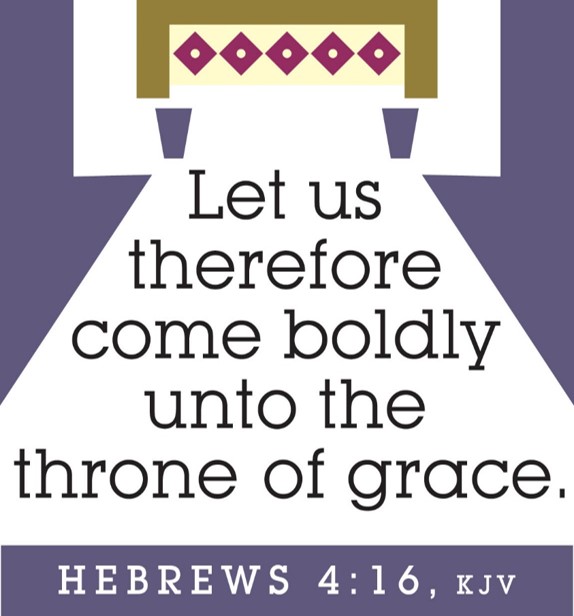
Hebrews 4:16 says, “Let us therefore come boldly to the throne of grace…”

Years ago I heard a sermon about this verse. The preacher wasn’t totally advocating a “name it and claim it,” “blab it and grab it,” or “health and wealth” gospel, but he did give the impression we should boldly ask God for what we want and if it’s good for us, good for everyone around us, and just plain good – God will give it to us.

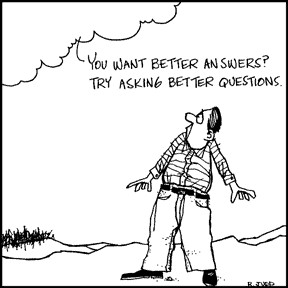
Well, that’s what I did… and guess what? God didn’t give me what I wanted. Imagine my disappointment! My faith was a bit shaken because I felt like I was taking a giant leap of faith to make a request boldly. I also felt like my lack of faith prevented me from getting it.

Is our faith a bit wobbly when God doesn’t give us what we want – when clearly we know it would be the best for everyone concerned?

Ah…but do we really know what is the best for everyone? We may think we do, but maybe we don’t. God sees all and knows all. Only He knows what is best for everyone! Is it our lack of faith that prevents a request, or God’s faithfulness to doing what is best that makes the difference?

So what does it mean to come boldly before the throne of grace?

Actually this passage isn’t about our boldness – at least not the kind of boldness we associate with this word – like being brash, brave, or daring. The whole passage is letting us know we can have an intimate relationship with Jesus Christ, our High Priest. We have direct access to Jesus Christ! We don’t need to go through another person like a priest, a minister, a guru, a psychic, or an angel to get to God. This direct access thing is a big deal and was not really possible for the common man before the death of Christ.

In Old Testament times, the High Priest was the mediator between God and the people. Only he could enter the Holy of Holies in the temple (Hebrews 9:7). The Holy of Holies was a special place, considered the earthly dwelling place for God’s presence. A veil or thick curtain divided it from the rest of the temple, where man could dwell.

However, when Jesus died for our sins, that veil or curtain was miraculously “rent” or torn from top to bottom (Matthew 27:50-51). God no longer dwells in temples made of hands (Acts 17:24). The way to God the Father is not through the temple, but through Christ His Son, because Jesus is now our High Priest (Hebrews 10:19-22).

And Jesus, our High Priest, came to earth, lived among us, and totally understands everything we go through (Hebrews 4:14-16). He feels our pain. He knows our weaknesses and temptations. So when we talk to Him, He “gets” us! He understands us. He knows where we are coming from.

Therefore, we can come “boldly” before Him.

The Greek word for boldly here is “parrhesia” and it means to be frank, outspoken, and even blunt. We can tell Jesus exactly how we feel. It’s not about making bold requests we want God to fulfill like some big sugar daddy in the sky. It’s about being honest without fear of reprisal. It’s about pouring our hearts out to the One who understands and having confidence in Him to do the best thing for us. We come boldly to Him so we can obtain mercy and find grace to help us in our time of need (Hebrews 4:16).

Consider this… We don’t have to worry that we are praying in the wrong way, at the wrong time, or with the wrong stance. We have a High Priest who looks beyond all that to our hearts. God doesn’t want to punish us; He wants us to realize how much He loves us!

One final thought… You see, it’s not our faith or lack of faith that makes the difference in our prayers; it’s God’s faithfulness!
Posted in Uncategorized | Leave a comment

Choose to Prayerfully Thank God

Choices change lives…

By Barbara Dahlgren

Psalm 118:1 says, “Give thanks to the Lord for He is good. For His mercy endures forever.”

Psalm 100:4, 5 says: “Be thankful to God and bless His name. For the Lord is good; His mercy is everlasting; and His truth endures forever.”

Every day is filled with opportunities to be thankful. How much more should we focus on God’s blessings at this special time of year? Here’s a little prayer to get your started…

Lord, we would like to thank You for meeting our needs everyday – for food and shelter and clothing. And for the many extras You provide that we so often take for granted.

Lord, thank You for our families and friends who help make our lives complete. Thank You that even when we are miles away from our loved ones that we can be bound by the cords of Your love.

And Lord, we thank You that we live in a country where we are free to worship You and to read Your word.

And thank You Lord for hearing and answering our prayers. For being the one set of footprints in the sand that carry us when our burdens weigh us down.

And Father how we thank You for Your son, Jesus Christ, who is the “Light of the world.” When we turn to Him, He floods the darkness of our souls with the Light of Your love.

Thank You that Jesus not only died for our sins, but that He is alive today and at Your side. That He is our friend and brother and makes intercession for us.

And Lord we thank You that Jesus came into this world and made our hearts His home as our wonderful, merciful Savior – our precious Redeemer and Friend.

Thank You for all that you have given us as Christians. We have the Holy Spirit who is Your presence in our lives, the Bible that is a light unto our path, and Christian friends who encourage and help us.

We thank You Lord that we can face tomorrow with hope because Jesus is living for us today.

O Lord, how truly rich we are because of You. We aren’t coming before You now to ask for anything, but we just want to praise and worship You and thank You for ALL that You mean to us!

In Jesus’s name we dedicate this prayer of thanksgiving to YOU!  

Amen

Consider this… “If the only prayer you say in your entire life is thank you, it will be enough.” ~Meister Eckhart

One final thought… It is good to give thanks unto the Lord (Psalm 92:1).

Posted in Uncategorized | Leave a comment

Choose Not to Procrastinate

Choices change lives…

By Barbara Dahlgren

Procrastination is the name of the game and in my last blog you learned that I am very good at it. So good, in fact, I decided to continue with that theme. I have a myriad of excuses for not doing what I know I need to do, and they have served me well. Here are a few…   

“I’ll wait until I’m in the mood.” Being “genderly” prone to mood swings, I use this for my advantage. 

“I’ll do it tomorrow.” Known as the “mañana syndrome,” I believe in never doing today what I can put off until tomorrow.

“I’ll do it tomorrow if….” Known as the “contingent mañana syndrome,” this allows me to put a stipulation on whether or not I actually will do it tomorrow. For example: “I’ll do it tomorrow if the sun is shining” or “I’ll do it tomorrow if it is raining” or “I’ll do it tomorrow if half my street has sunshine and the other half has rain.”

“I work better under pressure.” This really is a half-truth. I will work under pressure, but I won’t work better under pressure.

“I don’t know where to begin.” I get overwhelmed if the project is big. This could lead to depression, so the easiest thing is not to start at all.

“It’s too hard.” Not being one who likes a challenge, I prefer to take the easy route, especially if I would have to get out of my comfort zone. When the going gets tough, I take a nap.

“It takes a special kind of knowledge and know-how that I don’t have.” Sure, I could actually learn something new, but why when I am so comfortable not learning something new. 

“It’s too time-consuming.” My time is so valuable that I don’t want to waste it doing anything too profitable. It might keep me from the more important things like surfing the net, playing video games, or watching mindless TV.

“I might mess it up.” If I don’t succeed at this, everyone will consider me a failure. My logic is simple: How can I fail if I never do anything?

“I need to have some fun.” A little escapism never hurt anyone. I deserve a break today. It will help me clear my head so I can start fresh.

“I need to relax.” I’m so tense! Perhaps I’ll read a little or listen to some music first. Then I’ll get started.   

“I’m lazy.” I know this kind of negative self-talk is unhealthy, but there’s no arguing with the truth. Actually, I love being lazy. Some people get bored easily, but I never tire of doing nothing.

“A lion might kill me.” I rely on this excuse heavily because it’s biblical. Proverbs 22:13 (NLT) says the lazy person is full of excuses, saying, “If I go outside, I might meet a lion in the street and be killed!” Well, I know I’m lazy, so I’d better lay low.

Procrastination is the one thing I’m really, really good at! However, just because we’re good at something doesn’t mean it’s good for us! We can be good at robbing banks, but eventually the law will catch up with us. Procrastination catches up with us, too! Our time runs out – and time cannot be regained. Procrastination not only robs us of our time but also our money, our productivity, our families, our friendships, our sense of worth, and our relationship with God.

Procrastination can make us lazy (Proverbs 13:4). Procrastination can keep us from putting first things first (Matthew 6:33). Procrastination can keep us from moving forward (Philippians 3:13-14). Procrastination can pull us away from God (James 4:17).

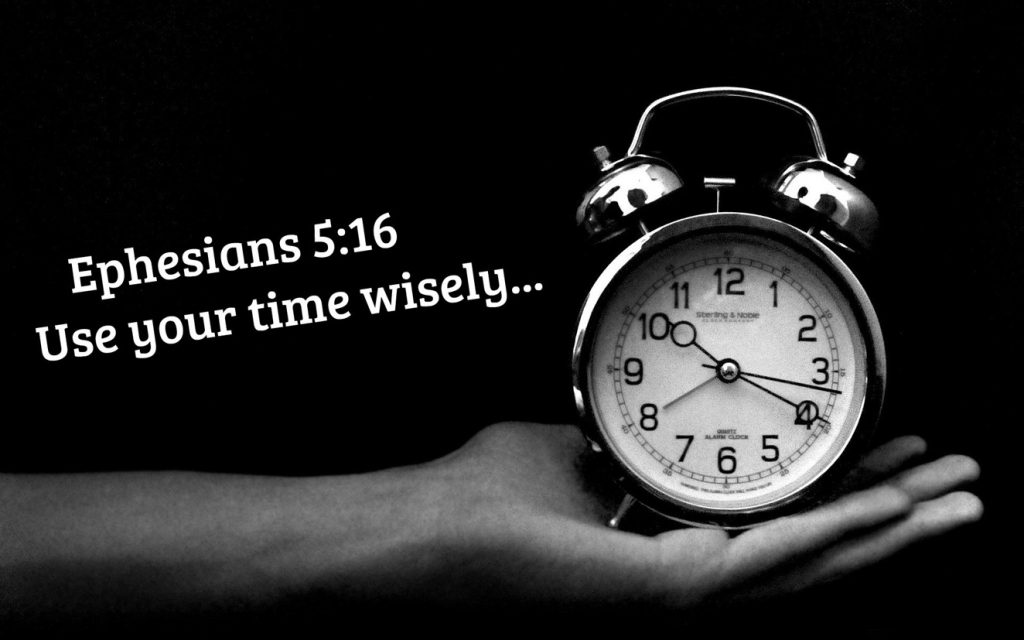
Consider this… God says to use our time wisely (Ephesians 5:16). We shouldn’t put off until tomorrow what should be done today, because tomorrow may never come.

One final thought… Today, right now, this moment is what we’ve been given and we need to make the most of it (Proverbs 27:1).

Posted in Uncategorized | Leave a comment

Choose Not to Master the Art of Procrastination

Choices change our lives…

By Barbara Dahlgren

My ability to procrastinate amazes me. You might say I’ve mastered the art of procrastination— and I don’t recommend it, but I do have to deal with it. I can find more things to do to keep from doing what I need to do than anyone I know. Idleness is not my problem. I stay plenty busy, but I stay busy doing things I don’t need to do. Like the definition, I am the classic example of “putting off intentionally and habitually doing what should be done.” Sometimes I abhor myself for this trait so I will share my train of thought that leads me astray.

For example, as I wait for motivation to write, I might repeat some pithy sayings designed to motivate me to get started. I repeat them to myself as I sit at my computer with these results:

“The journey of a thousand miles starts with one step.” WOW! Just thinking about a thousand-mile journey makes me tired. You know, I didn’t get much sleep last night. Maybe I should take a nap and get started after I feel refreshed.

“To start is half the battle.” Oh, that reminds me that I wanted to record that documentary they are showing tonight on PBS about the Battle of Gettysburg. I better go set the DVR right now before I forget.

“Steady, slow, and consistent can accomplish more than brilliant spasms of work.” Brilliant! Yes, I want this thing I’m writing to be brilliant, but my mind doesn’t seem real sharp right now. I bet if I played a game of computer Solitaire it would sharpen my senses. Keeping the mind active helps ward off Alzheimer’s, you know.

“How do you eat an elephant?  One bite at a time!” That reminds me I skipped lunch. Maybe I should make myself a sandwich. Better yet, I’ll just pop out and get a burger. Where is that coupon I had for a dollar off the combo? After I eat, I’ll feel like working.

“Life is like a coin you can spend anyway you want, but you can only spend it once.” Maybe I should put all those coins I’ve been saving in that Mason jar in those little nickel, dime, and quarter wrappers, take them to the bank, and see how much I have. I could use the money to buy my burger.

“Don’t put off until tomorrow what you can do today.” Where is that to-do list I was making for tomorrow? I just thought of a few more things I need to put on it. Better put them on the list now before I forget. I just love checking off things on my to-do list when I get them done. But what did I do with that list???   

“No farmer ever plowed a field by turning it over in his head.” You know, my Uncle John is a farmer. He’s pretty old and I haven’t talked to him in a while. I think I’ll give him a call. I always feel so inspired after we chat.

“The road to hell is paved with good intentions.” Where is that Steve Greg book I was reading about hell, anyway? Maybe I should read a little of it. Hey, if there is anything that will motivate me, it’s thinking about going to hell. Motivate me???? What is it I’m trying to do? Sorry, I lost my concentration. What was I talking about? Oh yes! Procrastination!

Then I think of this quote by St. Augustine: “God has promised forgiveness to your repentance, but he has promised tomorrow to your procrastination.” Now that’s pretty pithy! And here’s another one that works well for me: “Just do it!”

Consider this… We can never redeem all the wasted time (Ephesians 5:16) so just do it! Do it now!

One final thought… I found this on the internet while procrastinating. Old habits die hard.

Procrastination is my sin.

It brings me naught but sorrow.

I know that I should stop it.

In fact, I will…tomorrow.

~Gloria Pitzer

Posted in Uncategorized | Leave a comment

Choose Not to Burn Out

Choices change our lives…

By Barbara Dahlgren

Most Christians want to serve but don’t know how to avoid spiritual burnout in the process. To be honest, I’m not sure I know how to avoid it either. At one time or another we all try to “work” our way to righteousness on the spiritual treadmill, desiring to reach some lofty vision we see as the ultimate Christian experience.

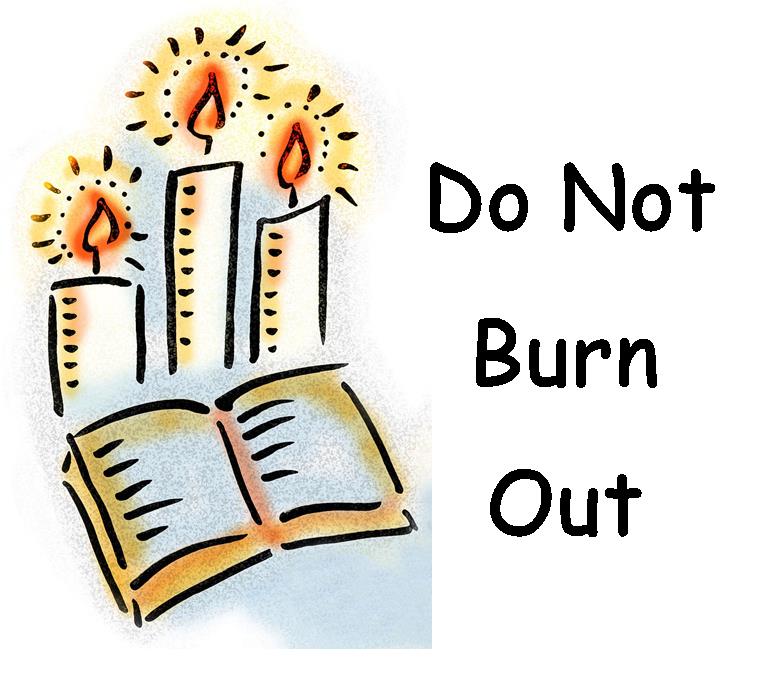
We must guard against becoming modern day Pharisees. “Work” oriented goals tend to make us feel just a little superior to others. Keeping a mental list of what we need to do to attain righteousness leaves us living more under law than grace. If we fall into the personal performance trap, it won’t be long before we run out of steam. Performing godly tasks on our own strength instead of God’s can lead to burn out. God’s flame is eternal and never burns out. Our feeble flame can definitely burn out.

Depression, stress, and burnout can have overlapping symptoms, but actually fall into three different categories. Depression is usually linked to a loss and a person’s lethargic inability to face life. Stress produces hyperactivity— emotions become overactive, and the person literally wears out and gets exhausted. But with burnout, there is a lack of motivation and drive – not because of a weakened, physical condition but because the will to do anything is gone. Ideals and hope are lost. There is no excitement about life. The joy in the journey is gone. In other words, “What’s the use?”

Can good, serving Christians suffer burnout? You better believe it! Burnout can be the result of too much service for the wrong motivation. So we must ask ourselves why we do what we do.

Are we trying to impress others? Many try to please others, seeking approval and fearing criticism. Therefore, they have trouble evaluating where their time is best spent or setting up boundaries. They can’t say “no” to others. When their efforts don’t reap the results they hoped, they get disheartened and discouraged. When they can’t live up to their own expectations or the expectations of others, they feel like failures. However, these are not God’s expectations. 

Are we serving in an area that brings us joy? When we minister in areas that match our gifts and talents, we can feel as if we are meant to do this. Some are perfectly happy there, but others get tired of doing the same old thing and may decide to try another area of service – some new endeavor they feel excited about – something they want to learn. They hesitate, fearing others will not be supportive, so they don’t move on. Or worse, people guilt them into thinking if they don’t do their current job, no one will. However, God does not want us to serve out of guilt, but joy.

Are we working for God’s glory? We should be working for God’s glory – not ours – nor just for the good of others. We cannot be the spiritual nourishment for others. Needy people can drain us dry. While it might be fine to let someone lean on us for a short time, the ultimate goal is to get them to lean on God. We can’t do this for them. And if we are trying to do it for them, we are not doing it for God’s glory. We’ll be doing it on our own strength or steam. It’s better to rely on God’s strength and teach others to do the same. 

Consider this… We can spend a lot of time and effort doing things for God He does not require us to do. Workaholic Christians rarely find time for the most important priority – relationship with the living God. Once a relationship develops, the motive of service becomes love, not obligation. It’s not how much we do that counts; it’s why we do what we do. We need to keep our eyes focused on Jesus (Hebrews 12:2). Our lives need to be God centered, not work oriented.

One final thought… Our flames are feeble, but God’s flame is eternal and never burns out.

Posted in Uncategorized | Leave a comment

Choose to Face Your Doubts

Choices change our lives…

By Barbara Dahlgren

Can one be a Christian and have doubts? I think so.

Exactly what are doubts? One definition is “feelings of uncertainty.” Most Christians have feelings of uncertainty from time to time – especially when facing trials. God doesn’t always give us what we want when we want it, so we might doubt His love for us. Doubt itself is not a sin. Actually, it’s better to face our doubts than pretend they don’t exist.

That’s what David did. He talked his doubts over with God, and he was fairly bold in letting God know how he felt. Just read the Psalms. “How long will you forget me, O Lord? How long will you hide yourself from me?” (Psalm 13:1-3) “Why do you stand so far off, O Lord?” (Psalm10:1) “Why have you forsaken me?” (Psalm 22:1) This was David’s way of asking God to help his doubt. And God always did. We can tell because of the conclusions David reached. All those Psalms end with David acknowledging God’s greatness and trusting His mercy, judgment, salvation, goodness, and love.

Just because we doubt doesn’t mean God doesn’t love us. God loved David. He even said that David was “a man after mine own heart” (Acts 13:22).

What about John the Baptist? He had testified that Jesus was the Son of God (John 1:29, 34). Yet when Herod threw Him in prison, he must have had a little element of doubt. He sent messengers to Jesus to ask, “Are you really the one who was to come, or do we need to look for someone else?” (Matthew 11:2-3) Jesus was not upset by the question. He didn’t chastise John. He told the messengers to go and reassure John (Matthew 11:4-6). Then Jesus told the crowds there had never been another man born of women greater than John the Baptist (Matthew 11:11). That’s pretty high praise for one who had a little doubt.

Peter had not expected Jesus to be arrested, so he had some doubts. Why else would he have denied Christ three times (Luke 22:54-61)? And after Christ’s crucifixion, all the disciples were disheartened and had a few doubts. They didn’t fully understand God’s plan yet. When the women reported Christ’s resurrection, the men thought they were “telling idle tales” (Luke 24:11). Peter ran to the tomb to see for himself.

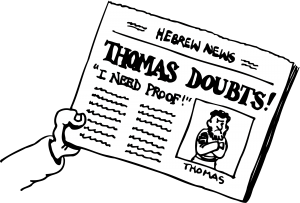
Then a little later Christ appeared to the disciples. However, Thomas wasn’t with them, so he had some doubts. He said he wouldn’t believe it until he personally saw the print of the nails in Christ’s hands and touched His scars (John 20:24-29). Eight days later Jesus came to Thomas and let him touch His scars. This was not a rebuke. It was Jesus helping Thomas on his spiritual journey. Thomas humbly responded with, “My Lord and my God.”

Jesus didn’t say, “You bad, bad disciples! How dare you doubt?” He was patient and loving towards them. And He is patient and loving towards us.

When Christ appeared to the eleven disciples before His final commission, we are told they worshipped Him, but some doubted (Matthew 18:16-17). Christ had already appeared to them a couple of times, so why doubt? Aren’t we kind of like that? God does so many wonderful things for us but sometimes we still kind of doubt Him when He doesn’t respond the way we think He should.

Now here’s what I find interesting. This scripture indicates they all worshipped Him even though a few doubted. The Greek word here for doubt is “distazo” which means to hesitate and think two different ways at the same time. Maybe the doubters thought, “WOW! There He is. But wait. He was crucified and died. How can this be? But it is!” However, no matter what they thought, they worshipped Him.

Some say doubt is the opposite of faith. I’m not so sure. After all, courageous people have fear; they feel fear but do what is right anyway. I think faithful people can also have doubts. However, their actions are based on their faith or what they believe, not their doubts. Our Christian faith must be deeper than our doubts. All those disciples worshipped Jesus in spite of any wavering some may have felt.

Consider this… Our doubts do not alter the existence of God. God isn’t like Tinkerbell who relies on us to chant, “I do believe, I do believe, I do believe” for Him to spring to life. God exists whether we believe it or not. Jesus loves us whether we believe it or not.

One final thought… Doubts arise from feelings of uncertainty or things we can’t be sure of. Well, we can be sure of God. If we keep our eyes focused on God, we won’t have a lot of time left to doubt. Remember the example of Peter walking on the water. He started to falter when he took his eyes off Jesus (Matthew 14:29-31).


Posted in Uncategorized | Leave a comment

Choose Not to Sin if You Get Angry

Choices change our lives…

By Barbara Dahlgren

I wanted to title this blog “Choose Not to Get Angry,” but I felt that was unrealistic and unbiblical. After all, the definition of anger is an intense emotional state induced by displeasure. So anger itself is not the problem, but uncontrolled anger can be.

The Bible doesn’t say not to get angry. It does say: cease from anger (Psalm 37:8), let anger be put away from you (Ephesians 4:31), be angry but don’t sin (Ephesians 4:26), and don’t let the sun go down on your wrath (Ephesians 4:26). So I think it’s reasonable to assume even the meekest and mildest of us will get angry from time to time. Even Christ got angry occasionally, but it was directed at the sin, not the sinner.

When Jesus turned the money changers’ tables over at the temple, He was angry at the wrong being done and the total disrespect for God. They were taking advantage of the poor and making God’s house a marketplace, instead of a house of prayer (John 2:13-17, Matthew 21:12-13Mark 11:15-18Luke 19:45-46).

When religious leaders were testing Jesus to see if He would heal on the Sabbath, Jesus looked at them with anger because He was deeply distressed at their stubborn hearts (Mark 3:1-6).

Anger is a difficult emotion to keep in perspective. That’s why we are told not to get angry with a brother (Matthew 5:22). Anger against a brother can cause bitterness, resentment, retaliation, and sometimes murder. Think of Cain and Abel. Unchecked anger embeds itself into our souls. So much so that we can lose all sense of reason. Remember that the word “anger” is just one letter short of “danger.”

I can’t help but think of the old TV show, The Incredible Hulk. Mild-mannered Dr. David Banner would say something like, “You wouldn’t like it if I got angry.” And when he got angry, he turned into a big green monster. The same thing can happen to us if we aren’t careful.

When we get angry, it is seldom for a righteous reason. We think we’ve been wronged. We think we deserve more. We think we aren’t accepted. We think we aren’t respected. We think we aren’t appreciated. We think no one loves us. We think we are being ignored. To be truthful, we think everything is all about us!

Then we each have anger trigger points heightened by being tired, hungry, frustrated, embarrassed, disappointed, stressed, or hurt. Maybe we are having a bad day so our anger gets blown out of proportion. We are like a spray can full of pressure. When just one more thing is added, our button gets pushed and we spray venom all over everyone in our path. We can never get what is spewed out back in that aerosol can. It stays in the air forever. Uncontrolled anger is not good.

When Moses carried the tablets of stones down from Mount Sinai to share with the Israelites, he was angry to find the Israelites betraying God with idol worship. Moses threw the tablets down and broke them. He “shattered them at the foot of the mountain” (Exodus 32:19 NAS). That’s what anger can do – shatter things like relationships, opportunities, reputations, and so much more. Think about that when you are tempted to let anger control you. God forgave Moses, but the damage had been done (Deuteronomy 10:2 NAS).

Consider this… When Cain was upset that God accepted his brother Abel’s sacrifice and not his, God said, “Why are you so angry? You should rule over it” (Genesis 4:6-7). But Cain did not rule over it. He let it fester! He became bitter! He ended up killing Abel. If we don’t learn to control our anger, it will control us.

Here are a few biblical insights that will help us control anger.

  • Be quick to listen and slow to speak (James 1:19-20).
  • When we do speak, speak gently. A gentle answer turns away wrath (Proverbs 15:1).
  • Meditate on God’s Word. The Bible says we can be angry, but don’t sin. Instead be still and meditate on God’s Word (Psalm 4:4).
  • Then go one step further and turn it all over to God (Psalm 4:5).

One final thought… Every minute you are angry, you lose sixty seconds of happiness.


Posted in Uncategorized | Leave a comment

Choose to Understand Guilt

Choices change our lives…

By Barbara Dahlgren

Jesus came so we could have life and have it more abundantly (John 10:10). This is not referring to health and wealth. It’s telling us that Jesus came to give us eternal life, plus we have an even more abundant life because while here on earth, Jesus resides in us. We have a relationship with Him.

Unfortunately, there are factors wanting to hinder that relationship. The Bible warns that there are thieves trying kill, destroy, and steal that relationship with Jesus from us (John 10:10). I think one of those thieves is false guilt.

I like to classify guilt into two categories: real guilt and false guilt.

For the Christian, real guilt comes from going against our conscience. We want our conscience in agreement with God’s standard. Then it can let us know when we’ve blown it or sinned. At these times, it is only natural to feel remorse for what we’ve done. Real guilt helps us acknowledge when we’ve done something wrong, but it doesn’t condemn us to a life sentence of punishment, like Satan would have us believe (John 3:17; Romans 8 1-2). We bring these mistakes before God and He forgives us (Ephesians 1:7; Psalm 32:1-2). He remembers our sins no more (Hebrews 8:14).

However, false guilt is different. False guilt comes from us not living up to our own standard of righteousness, not God’s. We might feel guilty because we ate fast food, don’t pray enough, don’t study our Bibles enough, aren’t involved at church, need to lose weight, don’t serve at the homeless shelter, or haven’t called our parents in a week. These feelings are painful, but it’s not real guilt, which is the result of not living up to God’s standards. It’s false guilt trying to masquerade itself as real guilt because these are our own self-imposed standards.

For example, let’s say we feel guilty because we don’t study our Bibles enough every day. How much time does God say we should spend on personal Bible study every day? Well, He doesn’t really say, does He? There are biblical principles to study God’s Word but God gives us the freedom to decide how often and how long. We might want to set a standard of so much Bible study a day, but we have to realize this is our standard, not God’s. So there should be no real guilt connected to it if we fall short of our own expectation. This would be false guilt because we haven’t done anything wrong.

Another example might be feeling guilty because we didn’t give enough in the offering basket last week. How much money does God say we should give as an offering each week? Well, He doesn’t really say, does He? The Old Testament had a specific tithing command but the New Testament does not. However, there is a biblical principle of giving to God and generously. However, we have the freedom to decide how much, to whom, and so on. We might want to give more than ten percent. We aren’t limited in what we do in this area. Actually the amount we give is not as important as how we give it anyway – from the heart. We have the freedom to decide how much.

The Old Covenant was all about lists of “dos and don’ts.” The New Covenant is about Jesus living His resurrected life in us. We do not earn salvation; it is a free gift.

Consider this… The Bible tells us that problems occurred when Christians wanted to impose the Old Testament practice of circumcision on new Gentile converts. They tried to make the Gentiles feel like they weren’t Christians unless they got circumcised. Major guilt trip! Paul had to set them straight (Galatians 5:2). Is circumcision wrong? Of course not! But it was not and is not necessary for salvation.

In so many areas of our lives, God gives us the freedom to decide, using biblical principles as guides – without condemnation. Someone else might try to put us on a guilt trip because we don’t want to teach Sunday School, serve on the PTA, or run in a marathon for cancer, but God does not. There is freedom in Christ. We can’t do everything, so God gave us the freedom to prayerfully decide what to do and what not to do, without feeling guilty.

One final thought… Get over the “not doing enough” syndrome. We will never be able to “do enough!” If we could, we wouldn’t need God.


Posted in Uncategorized | Leave a comment

Choose to Actively Wait on God

Choices change our lives…

By Barbara Dahlgren

There are times in life when we pray and feel God responds instantly. Then there are other times we try to lift our prayers to heaven and feel they get no farther than the ceiling. But that’s okay. Even though we may feel like our prayers aren’t going high enough, they are – because God is always with us. So God always hears our prayers and always answers.

Sometimes He says “yes” and sometimes “no” and sometimes the answer is to “wait awhile.” If the answer is “yes,” we break out into our happy dance. If it’s “no,” we may be disappointed but we adjust. However, I think “wait awhile” can be the most difficult to deal with. No one today wants to wait for anything. We are always in a hurry and we want what we want when we want it. Once I was in such a hurry, I ordered fast food at a drive-through and drove off without my burger.

Today we don’t have to wait for much at all. We can get money when banks are closed through ATMs. If we don’t have money to buy something, we don’t need to wait until we save the money to get it because we have credit cards. We don’t have to wait until we get home for a phone message because our cell phones are always with us. We don’t have to email and wait for a response because we can text. We don’t like to wait. Yet, many time God makes us wait.

The reason might be that what we learn by waiting on God can be just as important as what we are waiting for. If deliverance from a dire situation comes too quickly, we can consider it coincidence, good timing, or the result of our own ability. When we have to wait for something, we usually appreciate it a little more. Waiting is a “building block” of life. It builds our character, builds our patience, and builds our dependency on God.

Many in the Bible had to wait. Abraham and Sarah waited for Isaac’s birth. Noah waited for the flood. Moses waited to get out of the wilderness. Joseph waited to get out of prison. Job waited for deliverance. David waited to become king. We are now waiting for Christ’s return.

Before Christ ascended into the clouds, He told the apostles to go to Jerusalem and wait for the Holy Spirit. He said to “tarry until” they were endued with it. Tarry is just another word for wait. God could have had the Holy Spirit given to them instantly, but He chose to have them wait (Acts 1:1-5). They walked all day to get to Jerusalem from the Mount of Olives (Acts 4:12). They all went into an upper room – along with other followers – 120 in total (Acts 4:13-15). All waited for the promised Holy Spirit.

While they were waiting, they spent their time wisely. They prayed (Acts 4:14). They studied the Scriptures (Acts 4:15-20). They continued God’s work (Acts 4:21-26). They were not idle.

Isaiah 40:31 tells us what happens to those who wait on the Lord. God renews their strength. They run but don’t get weary. They walk and don’t get faint. This shows they must be active. They are moving – running and walking – not just sitting around moping. Waiting on God does not mean sitting around doing nothing, sulking, and feeling sorry for ourselves. Waiting is doing what we are supposed to do: praying, studying, and doing God’s will (Psalm 37:34). Waiting on God builds patience, trust, and faith.

This waiting not only applies to our lives but the lives of others we are praying for. Instead of waiting for God to deliver them, sometimes we want to deliver them ourselves. Oswald Chambers puts it this way: “Are we playing the role of amateur providence, trying to play God’s role in the lives of others? Are we so noisy in our instruction of other people that God cannot get near them? We must learn to keep our mouths shut and our spirits alert.”

Consider this…Not only are we waiting on God, we are waiting with God. He is with us every step of the way. We are not alone in our wait. While we wait, we need to stay focused on God so we don’t grow weary (Galatians 6:9). It’s our relationship with Him that gives us strength and courage (Psalm 61:1).

One final thought… I love what Psalm 62:1 says. “Truly my soul waits on God: from Him comes my salvation.”


Posted in Uncategorized | Leave a comment

Choose Not to Overcommit

Choices change our lives…

By Barbara Dahlgren

Remember the old adage that if you want something done, give it to a busy person. This sounds great, unless we happen to be the busy people getting all that “to do” stuff dumped on us. Let’s talk a little about overcommitting – a subject I happen to know a lot about from personal experience.

Some of us think we can do everything. We think we can fix every situation. We think no one can do it (whatever “it” is) better than us. We overcommit to our jobs, our church, our families, our friends, various organizations, our children’s school, and so on. While these are all worthy causes, they can add hours of work and stress to our already busy lives. In addition to these worthy causes, we still have to do our daily responsibilities such as grocery shop, cook meals, wash and dry laundry, build relationships with our spouse and children, visit ailing parents, pay the bills, walk the dog, and feed the cat.

Did you know that overcommitting can lead to health problems, stress, depression, anxiety, and sleeplessness? Because we can only do so much, we get overwhelmed. We are in danger of a “crash and burn” scenario. Then we are no good to anyone, especially ourselves.

Whose fault is it when we overcommit? Ours! We are not victims; we are the product of our poor choices. We have to make hard decisions about how we use our time and energy. Sometimes it’s difficult to know the difference between a need and a want. If we place needs before wants, we can sometimes weed out a lot of unnecessary commitments.

Some of us overcommit because we don’t know how to say no. We are people pleasers and afraid of disappointing others. Believe it or not, saying no won’t kill us. We can say something like, “No thank you. I’m very flattered that you asked me, but I’m already overcommitted at this time. However, I’ll be sure to pray that you find the right person to do this.” Or if we think we might be able to do it, don’t say yes too quickly. Say, “Can I pray about his, check my calendar, and get back to you?”

Some of us think only we can do certain things. Believe it or not, others can do it, too. It may not be done as well as we could do it, but it will get done. And guess what? Not every project needs to be done.

Consider this example in Exodus 18… After Moses led the children of Israel out of Egypt, they still had lots of hardships and problems. Many days all Moses had time to do was sit, listen to people, and make judgments about their situations – from morning to night. When Moses’ father-in-law Jethro saw this, he said, “What are you doing and why are you doing it all alone?”

Moses answered, “When the people have difficulties, they come to me, and I judge between one and another, and make known the statutes of God.”

Jethro basically replied, “Well, this is good, but it’s too much for you. You’re killing yourself, son! Teach these people the statutes, choose men of truth who fear God and place them to be rulers of thousands, hundreds, fifties, and tens. Then only problems they can’t solve will come to you.”

WOW! What a concept! It was a lightbulb moment for Moses and he followed Jethro’s advice. So even Moses, God’s chosen and anointed one, had to learn a lesson about overcommitment.

We can’t do everything we would like to do, so we shouldn’t try. There is only so much time in a day. We must learn to balance our time and energy. It’s better to do a few things well than a lot of things mediocre.

One final thought…Remember that when you say yes to some things, you have to say no to others.


Posted in Uncategorized | Leave a comment